Understanding Voice-Over Rates in the U.S.: Your Ultimate Voice-Over Pricing Guide

If you’ve ever wondered how much it costs to hire a professional voice actor in the U.S., you’re in the right place. Voice-over work is a unique craft, and pricing it can feel like navigating a maze. But don’t worry - I’m here to break it down for you in a way that’s easy to understand and practical to use. Whether you’re a business owner, a marketing agency, or a content creator, knowing the ins and outs of voice-over pricing will help you make smarter decisions and get the best value for your project.
Let’s dive in and explore everything you need to know about voice-over rates, what influences them, and how to budget for your next audio project.
What Goes Into a Voice-Over Pricing Guide?
Before we talk numbers, it’s important to understand what factors influence voice-over pricing. Voice-over pricing isn’t just about the time spent recording. It’s a mix of several elements that come together to create the final cost.
Here’s what typically affects the price:
Project Type: Commercials, eLearning, audiobooks, video games, and corporate narrations all have different pricing standards.
Usage Rights: How and where the audio will be used (local, national, worldwide, online, broadcast) impacts the fee.
Length of Script: Longer scripts usually cost more, but sometimes pricing is based on finished audio length rather than word count.
Experience and Reputation: Seasoned professionals with a strong portfolio often charge more.
Turnaround Time: Need it yesterday? Rush jobs usually come with a premium.
Additional Services: Editing, syncing, multiple revisions, or adding sound effects can increase the price.
Understanding these factors helps you see why voice-over pricing can vary so much. It’s not just about paying for a voice; it’s about paying for expertise, rights, and quality.
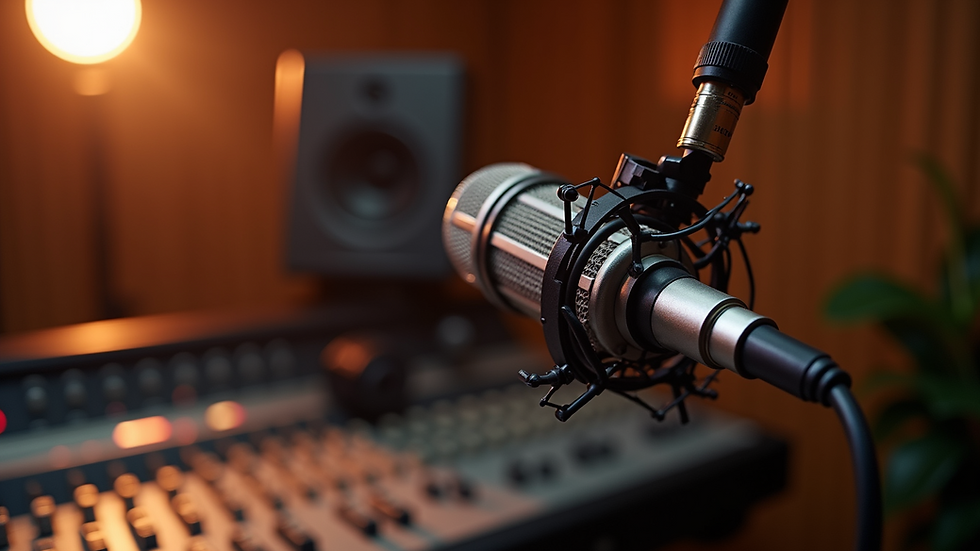
Breaking Down the Voice-Over Pricing Guide
Now that you know what influences pricing, let’s get into the nitty-gritty of typical rates you might encounter in the U.S. market. Keep in mind, these are ballpark figures, but they’ll give you a solid starting point.
Commercial Voice-Overs
Commercials are one of the most common uses for voice-over work. They often require a polished, engaging delivery that grabs attention quickly.
Local Radio/TV Commercials: $250 - $500 for a 30-second spot
Regional Commercials: $500 - $1,000
National Commercials: $1,000 - $5,000 or more, depending on reach and usage
Corporate and eLearning Narrations
These projects usually involve longer scripts and a more conversational tone. They’re often used for training videos, presentations, or explainer videos.
Corporate Videos: $300 - $1,000 per finished minute
eLearning Modules: $200 - $500 per finished minute
Audiobooks
Audiobook narration is a marathon, not a sprint. It requires stamina, consistency, and a lot of skill.
Per Finished Hour: $200 - $500 (more for celebrity narrators or specialized genres)
Video Games and Animation
These projects often require character voices, multiple takes, and sometimes motion capture.
Per Hour of Recording: $150 - $400
Per Character: $100 - $500 depending on complexity
Usage and Licensing Fees
Remember, the price you pay isn’t just for the recording session. Usage rights can add a significant amount to the cost. For example, a voice-over used nationally on TV will cost more than one used only on a company’s website.
How Much Is Voice-Over Per Finished Hour?
This is a question I get asked a lot. The “finished hour” refers to the final length of the audio after editing, not the time spent recording. It’s a crucial distinction because recording a one-hour audiobook might take 3-4 hours or more in the studio.
Here’s a quick breakdown:
Audiobooks: $200 - $500 per finished hour
Corporate Narration: $300 - $1,000 per finished hour
eLearning: $200 - $500 per finished hour
Why such a range? It depends on the voice actor’s experience, the complexity of the script, and the usage rights. For example, a simple corporate narration with limited usage might be on the lower end, while a national commercial or a high-profile audiobook could be on the higher end.
If you’re budgeting for a project, always ask your voice actor or agency how they define their rates. Some charge by the finished hour, others by the word, and some by the project.

Tips for Getting the Best Value on Voice-Over Work
Hiring a voice actor isn’t just about finding the cheapest option. It’s about getting quality that matches your brand and project goals. Here are some tips to help you get the best bang for your buck:
Be Clear About Usage: Specify where and how the audio will be used. This helps avoid surprises in licensing fees.
Provide a Detailed Script: The clearer your script, the smoother the recording session will be.
Request a Demo or Sample: Always listen to samples to ensure the voice fits your brand’s tone.
Negotiate Bulk or Repeat Work: If you have multiple projects or ongoing needs, ask about discounts.
Consider Turnaround Time: Plan ahead to avoid rush fees.
Ask About Revisions: Know how many revisions are included in the price.
By following these tips, you’ll build a good working relationship with your voice actor and get professional results without breaking the bank.
Why Investing in Quality Voice-Over Matters
You might be tempted to cut corners and go for the cheapest voice-over option out there. But here’s the thing - your audio is often the first impression your audience gets. A professional voice actor brings more than just a voice; they bring emotion, clarity, and credibility.
Think about it: a well-delivered voice-over can make your commercial memorable, your eLearning course engaging, and your corporate video persuasive. On the flip side, a poor voice-over can turn people off and hurt your brand’s reputation.
So, investing in quality voice-over work is really investing in your brand’s success.
Wrapping It Up: Making Sense of Voice-Over Pricing
Navigating voice-over pricing can feel tricky, but with the right info, it’s totally manageable. Remember, the cost depends on many factors - project type, usage, length, and talent level. By understanding these, you can budget wisely and find a voice actor who fits your needs perfectly.
If you want to explore specific voice-over rates and get a feel for current market prices, that’s a great place to start. And if you’re looking for someone reliable who delivers broadcast-quality audio every time, I’m here to help you bring your project to life with a voice that connects.
Ready to make your next project sound amazing? Let’s chat!
Thanks for sticking with me through this voice-over pricing guide. I hope it’s made the whole process a little less mysterious and a lot more approachable.


Comments